
Cholesterol blood testing, in-clinic or at home
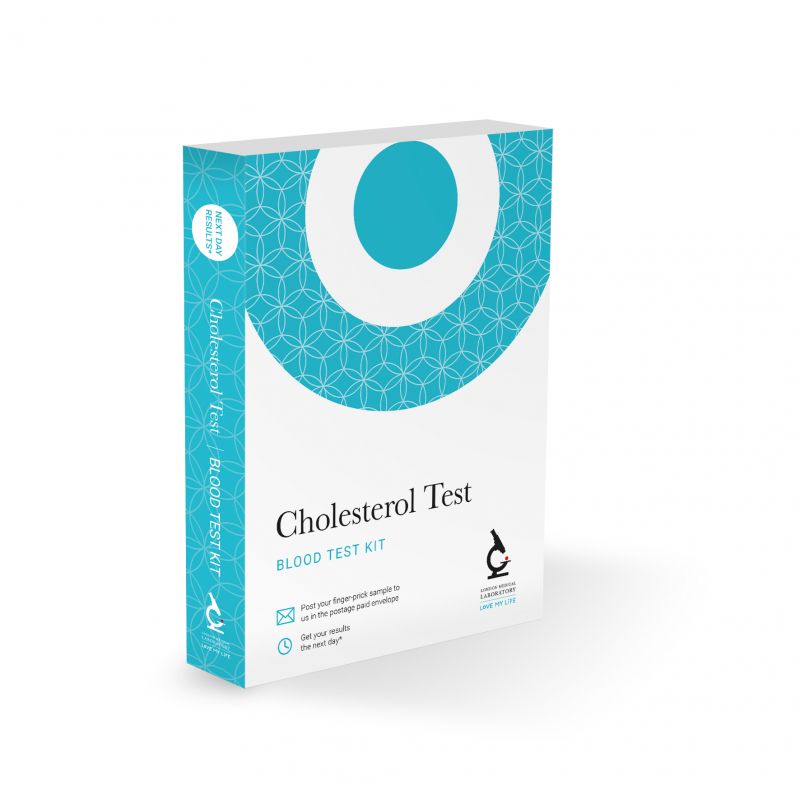
Cholesterol blood testing, in-clinic or at home
£49.00
Arteries can become blocked when elevated levels of cholesterol are present in the body. The effects of high cholesterol can lead to strokes, coronary heart disease or heart attacks. By investigating your cholesterol levels, you will be in the position to make positive lifestyle and dietary changes needed to increase your chances of an extended and healthy life.
What a blood test can tell you about your health
Please click on a test to view the biomarkers we test

CHOLESTEROL
Frequently Asked Questions
Understanding Cholesterol and Its Components
Cholesterol is a fatty substance essential for the body’s normal functioning, but imbalances can lead to serious health issues. HDL cholesterol, often referred to as “good” cholesterol, helps remove excess cholesterol from the bloodstream, reducing the risk of heart disease. Conversely, LDL cholesterol, or “bad” cholesterol, can accumulate in the walls of arteries, leading to atherosclerosis. A cholesterol blood test is a critical diagnostic tool that measures these components, along with total cholesterol, to assess cardiovascular risk.
The Importance of Triglycerides and Related Tests
In addition to cholesterol levels, triglycerides are another type of fat found in the blood that can impact heart health. A triglycerides test measures the level of these fats, providing further insight into metabolic health. High levels of triglycerides can increase the risk of heart disease, especially when combined with high LDL cholesterol and low HDL cholesterol. Regular monitoring through a comprehensive lipid panel, including total cholesterol and triglycerides, is essential for early detection and management of potential cardiovascular issues.
The Interplay of Hormones and Cholesterol
Hormones play a significant role in cholesterol metabolism and overall cardiovascular health. Oestrogen, for instance, is known to influence cholesterol levels by increasing HDL cholesterol and lowering LDL cholesterol. Changes in oestrogen levels, such as those occurring during menopause, can impact cholesterol balance and increase cardiovascular risk. Follicle Stimulating Hormone (FSH) and Human Chorionic Gonadotropin (HCG) are other hormones that, while primarily associated with reproductive health, can indirectly affect cholesterol metabolism and overall hormonal balance. Additionally, folate deficiency can contribute to elevated homocysteine levels, which is a risk factor for cardiovascular disease and can complicate cholesterol management.
Conclusion
Optimizing health content using keywords like “HDL cholesterol,” “LDL cholesterol,” “Cholesterol blood test,” “Total Cholesterol,” “triglycerides test,” “folate deficiency,” “oestrogen,” “follicle stimulating hormone (FSH),” and “HCG” can attract a diverse audience seeking detailed information on cholesterol management and its broader health implications. By addressing the interconnectedness of cholesterol levels, triglycerides, and hormonal influences, you can provide comprehensive insights that help individuals maintain optimal cardiovascular health and overall well-being.
Available In-Clinic & Online Consultation

Schedule an in-clinic consultation with our specialist pharmacist or complete an online consultation

Our specialists will do a complete assessment and prescribe a strategy for you.

<!–
Once your consultation is completed you can take your treatment home (in-clinic consult) or have it delivered to your door/collect from a clinic of your choice (online consult)
–>
Once your consultation is completed you can take your treatment home (in-clinic consult) or collect from a clinic of your choice (online consult)
Meet the Raylane Team
Our team brings together talented pharmacists with diverse experience and backgrounds. We pride ourselves on being dedicated and professional in all areas of your health.

Ruth Berry
Pharmacist

Arandeep Bassi
Pharmacist

Nadeem Nasrullah
Pharmacist

Hurkamal Badhan
Pharmacist

Amrita Phull
Pharmacist

Sophie Lyon
Pharmacist
Just some of our satisfied clients