
Your health, supported by local expertsTalk to our team · 0330 133 4124
Private health testing

Shop

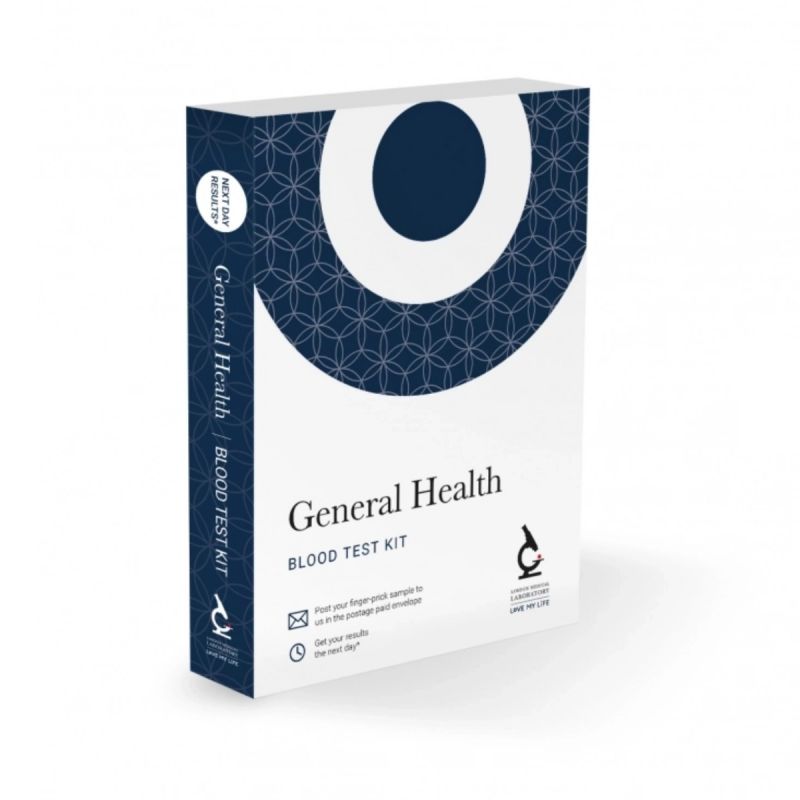
General Health Blood Tests – In-Clinic or at Home

£79.00

Raylane Medical offer a wide range of home and in-clinic blood tests to help you diagnose any health problems including, this General Health Profile

Category:

Description


General Health Blood Tests – In-Clinic or at Home


£79.00

In stock
SKU

RM-GHP
Our general health profile test provides an extensive check of your bone health, iron levels, kidney and liver function, diabetes (HbA1c) and a full cholesterol profile.

What a blood test can tell you about your health

Please click on a test to view the biomarkers we test


CHOLESTEROL

DIABETES

GOUT

IRON-STUDIES

KIDNEY-FUNCTION

LIVER-FUNCTION

MUSCLE-BONE
The measurement of cholesterol, including low-density and high–density lipoprotein cholesterol, is total cholesterol. Total cholesterol is used to produce hormones, this test is used to estimate the risk of developing heart disease.
High Density Lipoprotein (HDL) tests are used to estimate the risk of developing heart disease. HDL is ‘good’ cholesterol as its main function is to aid in the removal of cholesterol from the heart’s arteries.
Low Density Lipoprotein (LDL) tests are used to estimate the risk of developing heart disease. LDL is ‘bad’ cholesterol as it causes blockages and cholesterol build-ups in the arteries.
The Total Cholesterol: HDL Ratio test is used to estimate your risk of developing heart disease. The Total Cholesterol: HDL Ratio is a calculation used to highlight the amount of ‘good’ cholesterol present in the body. HDL aids in the removal of cholesterol from the heart’s arteries.
Non-HDL Cholesterol is the number of total cholesterols that lack the ‘good’ high-density lipoprotein (HDL).NON-HDL cholesterol tests are used to investigate the lipid profile during the estimation the risk of developing heart disease.
Triglyceride is a fat stored in the body’s tissues and can be derived from butter and oils. Triglyceride tests are used to investigate the lipid profile during the estimation the risk of developing heart disease.
In order to confirm if you currently have or are at risk of developing diabetes your levels of HbA1c is checked. If left undiagnosed or unmanaged diabetes can lead to death. For those who already have a diabetes diagnosis regular HbA1c checks are essential.
This test is used to measure the average blood sugar level over the past two to three months and is a common diabetes diagnostic test. The sugar investigated is called glucose, glucose builds uo in the blood and binds to the red blood cells hemoglobin. HbA1c test will then measure how much glucose is bound and is used during the diagnoses of diabetes.
Gout is a common and complex form of arthritis that can affect anyone and is caused by high levels of uric acid. Once diagnosed there are ways to manage symptoms and prevent recurrence.
Urate (Uric Acid) is a product of the breakdown of purines from substances such as DNA or from digesting certain food and drinks like alcoholic beverages. It is removed by the kidneys and excreted in the urine or in the stools. Urate tests are used to detect gout and diagnose the cause of recurring kidney stones formation.
Iron studies are a set of blood tests used to measure the amount of iron carried in the blood and stored in the bodies tissues. Iron deficiency can be the cause of a wide range of symptoms such as fatigue, chest pains and a shortness of breath.
Iron is a mineral which is needed for making red blood cells, which transports oxygen in the blood, and important for healthy muscles, bone marrow and organ function. Iron is measured to show the amount of iron in the blood. Low levels of iron can indicate anaemia whereas high levels can indicate liver disease.
Total Iron Binding Concentration (TIBC) is the maximum amount of iron that can be transported in the blood. Iron is used for the transportation of oxygen in the blood. TIBC tests are used to determine iron status and its absorption. This can be used to help diagnose Anaemia and iron overload conditions such as Haemochromatosis. Your TIBC will be impaired if you also have existing liver disease.
Unsaturated Iron Binding Concentration (UIBC) is the amount of transferrin that is reserved for the iron transportation. Iron is used for the transportation of oxygen in the blood. UIBC tests are used to monitor treatment for iron toxicity.
Ferritin is a blood protein that is used to store iron. Iron is used for the transportation of oxygen in the blood. It is measured to understand how much iron the body stores. Ferritin test are used to diagnose anaemia and liver disease.
Transferrin is an iron-binding glycoprotein that is produced by the liver. It is used to transport iron which transports oxygen in the blood. Transferrin tests are used to determine iron status and can be used to diagnose anaemia.
Your kidneys play a vital role in keeping your body functioning including the removal of waste products, releasing hormones to regulate blood pressure and controlling the production of red blood cells. A healthy kidney function is vital to your overall health and wellbeing.
Urea is a waste product of the amino acids found in proteins. It is released into the bloodstream and the kidney filters urea out of the blood where it is excreted in the urine. Urea tests are used to show how well the kidneys are working as well as an indicator for diseases affecting the kidneys and liver.
Creatinine is a waste product produced by the muscles during contraction. It can be found in the blood and urine as it is excreted by the kidneys. Creatinine tests are used as an indicator to whether the kidneys are working normally.
Glomerular Filtration Rate (GFR) is a measurement of the glomeruli. Glomeruli are the filters in the kidney used to filter waste products from the blood. GFR tests are used to detect and monitor changes in the kidney status.
The liver is responsible for many of the bodies essential functions such as regulating blood sugar levels, fighting infections and detoxifying your blood. Good liver function is vital to your overall health and wellbeing.
Albumin is a protein specifically produced in the liver. Its function consists of keeping fluids in the bloodstream as well as transporting substances like hormones and vitamins throughout the body. Albumin tests can be used to help diagnose and monitor diseases of the liver and kidney.
Globulin is a protein produced in the liver by the immune system. It is important in liver function, blood clotting and fighting infections. Globulin test can be used to diagnose conditions including liver damage or disease, kidney disease and autoimmune disorders.
Total Protein is the total amount of two proteins found in the serum of the blood, these are albumin and globulin. Albumin is needed to keep fluid in the bloodstream whereas globulin is an essential part of the immune system. Total protein tests are used as an indicator to there being a problem with albumin or globulin levels.
Alkaline Phosphate (ALP) is an enzyme found mostly in the liver and bone. ALP tests can be used to diagnose liver or bone disease.
Alanine Transaminase (ALT) is an enzyme which can be found mostly in the liver and small amount in the heart, kidneys and the skeletal muscle. It is released into the bloodstream during an injury of the heart, liver, kidney and skeletal muscle. ALT tests can be used to diagnose liver disease.
Aspartate Aminotransferase (AST) is an enzyme produced by the liver. It is released into the bloodstream during an injury of the heart, liver and skeletal muscle. AST tests can be used to detect liver disease.
Gamma Glutamyl Transferase (GGT) is an enzyme mostly found in the liver and is also present in the gallbladder, spleen, pancreas and kidney. It is a significant enzyme used in the liver metabolism of drugs and other toxins. GGT tests can be used to detect liver disease and bile duct injury.
Total Bilirubin is a test which measures the amount of bilirubin in the blood. Bilirubin can be found in bile to help digest food. It is also produced from broken down haem, which is old red blood cells that used to carry oxygen around the body. Total bilirubin test can be used to diagnose and monitor liver diseases and certain types of anaemia.
Muscle & Bone
Creatine Kinase is an enzyme which is found in the skeletal and heart muscle as well as a small amount in the brain tissue. Creatine kinase test can be used to diagnose and monitor muscular injuries and diseases such as muscular dystrophy.
Calcium
Calcium is an important mineral which is found in the bones as well as circulating in the blood. It has a range of functions and is essential in bone formation and blood clotting. In the blood, calcium can either be free and active or they can be bound to proteins like albumin. Calcium tests are used to diagnose and monitor different conditions correlating to the bone, heart and kidneys.
Adjusted Calcium is also known as the corrected calcium, calcium is an important mineral needed for body function. This is a calculation which uses the measurement of the protein albumin to calculate how much calcium are free in the blood. Calcium tests are used to diagnose and monitor different conditions correlating to the bone, heart and kidneys.

Frequently Asked Questions

CRP Blood Test and C Reactive Protein

The CRP blood test measures the level of C reactive protein in the blood, a marker of inflammation in the body. Elevated CRP levels can indicate acute infections or chronic inflammatory conditions such as rheumatoid arthritis or cardiovascular disease. Including detailed information about the CRP blood test and its significance in your content can help readers understand how inflammation impacts overall health and why monitoring CRP levels is crucial for early detection and management of various health conditions.

Ferritin Levels and Iron Storage

Ferritin is a protein that stores iron and releases it when needed. Measuring ferritin levels through a blood test provides insight into the body’s iron stores and can help diagnose conditions like iron deficiency anemia or iron overload disorders. Low ferritin levels can cause symptoms such as fatigue, weakness, and dizziness, while high levels might indicate liver disease or chronic inflammation. Highlighting the importance of ferritin testing in maintaining balanced iron levels can attract readers interested in understanding and managing their iron status for optimal health.

Full Blood Count and Overall Health

A full blood count (FBC) is a comprehensive test that evaluates various components of the blood, including red and white blood cells and platelets. This test can detect a wide range of conditions, from anemia and infections to clotting disorders and blood cancers. Emphasizing the broad diagnostic capability of the full blood count in your content can provide valuable information for those looking to monitor their general health through regular blood tests.

Thyroid Test and Hormonal Balance

The thyroid test measures the levels of thyroid hormones in the blood, which are crucial for regulating metabolism, energy levels, and overall hormonal balance. Thyroid disorders, such as hypothyroidism and hyperthyroidism, can lead to a variety of symptoms including weight changes, fatigue, and mood swings. Including information about the thyroid test and the significance of maintaining thyroid health can help readers understand the importance of this test in achieving hormonal balance and overall well-being.

Folate Deficiency Symptoms and Prevention

Folate deficiency can lead to a range of health issues, including anemia, fatigue, and cognitive difficulties. Folate is vital for DNA synthesis, red blood cell production, and overall cellular function. Highlighting symptoms of folate deficiency, such as tiredness, irritability, and shortness of breath, can educate readers on the importance of adequate folate intake. Additionally, providing dietary recommendations for folate-rich foods, like leafy greens, citrus fruits, and fortified cereals, can help users prevent deficiency and maintain optimal health.

Available In-Clinic & Online Consultation

Schedule an in-clinic consultation with our specialist pharmacist or complete an online consultation

Our specialists will do a complete assessment and prescribe a strategy for you.


<!–

Once your consultation is completed you can take your treatment home (in-clinic consult) or have it delivered to your door/collect from a clinic of your choice (online consult)

–>

Once your consultation is completed you can take your treatment home (in-clinic consult) or collect from a clinic of your choice (online consult)

Meet the Raylane Team

Our team brings together talented pharmacists with diverse experience and backgrounds. We pride ourselves on being dedicated and professional in all areas of your health.

Ruth Berry

Pharmacist

Arandeep Bassi

Pharmacist

Nadeem Nasrullah

Pharmacist

Hurkamal Badhan

Pharmacist

Amrita Phull

Pharmacist

Sophie Lyon

Pharmacist


Just some of our satisfied clients

Reviews

There are no reviews yet.

Be the first to review “General Health Blood Tests – In-Clinic or at Home”

Your email address will not be published. Required fields are marked *